

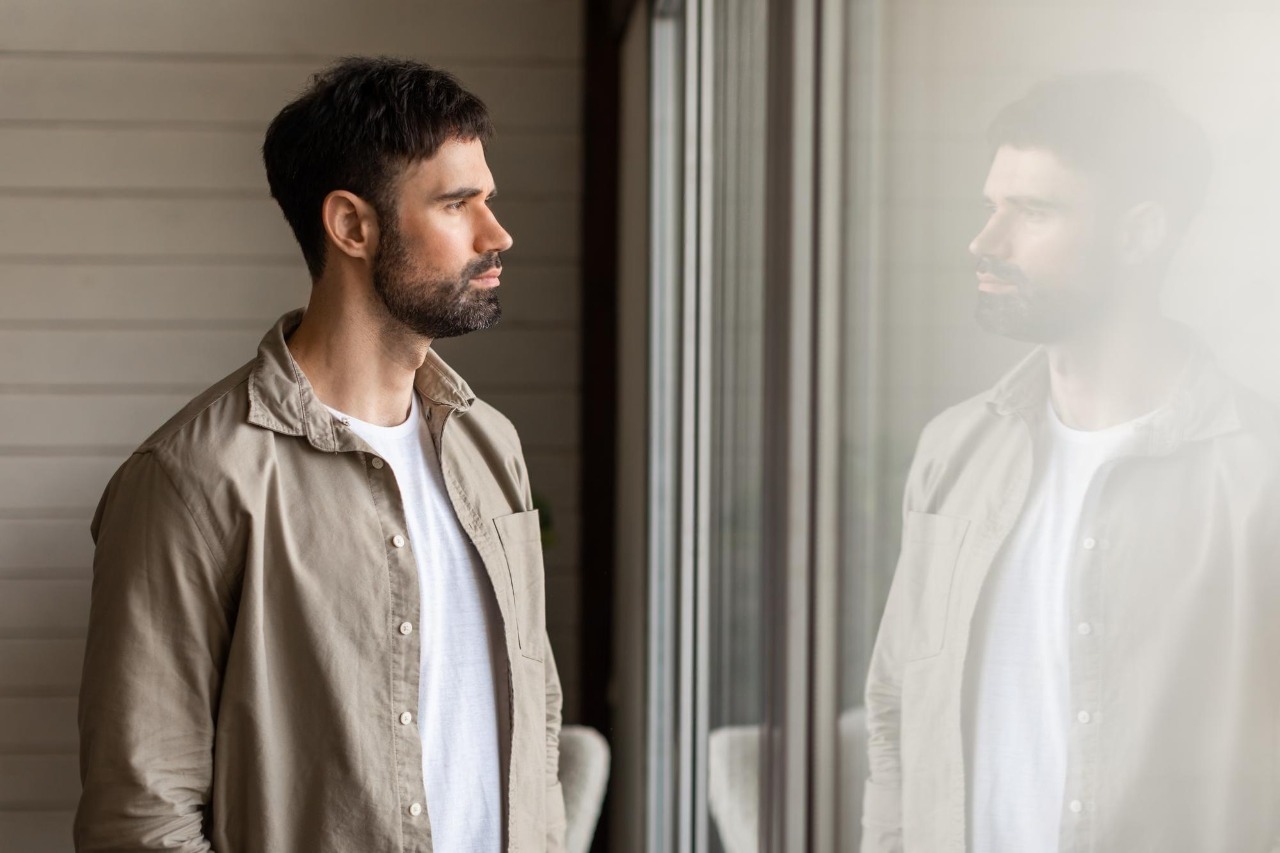
The 2 a.m. Question That Keeps You Awake
Ever catch yourself staring at the ceiling wondering, “Am I straight? Bi? Something else? Or is this just a phase I’ll outgrow?” You’re not broken. You’re not alone. And you’re definitely not the only one who’s googled “how do I know if I’m gay” more times than you can count. If that sounds familiar, this is for you — the confusing, tiring middle part that most stories skip.
When the Confusion Starts Draining You
Figuring out your sexuality isn’t like picking a career or choosing a phone. It’s messy and exhausting. One day you feel one way, the next a crush, a song, or a memory flip everything upside down. You keep asking yourself: “Is this real? Am I faking it? Will I ever just know?”
Without clear, honest information, the doubt turns into pure drain. You hide your browser history, perform “normal” around family and friends, and smile through the “shaadi kab kar rahe ho?” questions while your stomach twists. The constant second-guessing steals your sleep, your energy, and your peace.
In India, where sex talk is mostly silence and family expectations are loud, this loneliness hits harder. You’re not just exploring who you are — you’re doing it while scared of losing the people you love.
The Science Behind the Fog: It’s Not Just You
So why does figuring out your sexuality so often feel this confusing and deeply tiring? The truth is, it’s not because something is wrong with you. The process itself is rarely straightforward, and the world we live in can make it significantly heavier.
Research consistently shows that sexual identity development does not follow a neat, linear path for most people. A major 2021 systematic review found that while first same-sex attractions often emerge around ages 13–14, the journey toward self-identification and acceptance can stretch over many years. For many — particularly those who are bisexual or plurisexual — questioning and shifting labels is common rather than exceptional. Sexual fluidity is also a well-documented reality; studies indicate that roughly 1 in 11 adults may change how they describe their sexuality over time as they gain new experiences and deeper self-understanding.
This natural uncertainty and change can be mentally taxing. Recent research has shown that sexual identity fluidity is often accompanied by what researchers call “identity management stress,” which in turn is linked to higher levels of depression. On top of this, many people carry the heavy emotional labour of concealment. A major meta-analysis found that hiding one’s sexual orientation is associated with increased internalizing problems such as anxiety, depression, and general psychological distress.
In the Indian context, these challenges become even more layered. External pressures — from family expectations like “log kya kahenge” and constant marriage questions to casual homophobia in daily life — combine with a powerful internal voice that whispers “good Indian kids don’t feel this way.” A 2023 review on mental healthcare for young LGBTQ+ individuals in the Indian subcontinent highlights how the lack of culturally affirming resources and strong collectivist family norms often prolongs the struggle and intensifies the emotional exhaustion.
The old myths that “you should have known by now” or “this is just a phase” are simply not supported by science. The journey is normal, non-linear, and deeply personal — different for every single person.
Small, Thoughtful Steps That Can Lighten the Load
The good news is that this fog doesn’t last forever. Clarity rarely comes in one big, sudden moment. It usually grows slowly, through small, consistent acts of self-honesty and compassion.
Here are some gentle ways that can truly help:
- Give your feelings a private space. Try keeping a simple journal where you write down your attractions and emotions without forcing any labels. Over time, simply noticing these patterns can help you build deeper trust in yourself.
- Choose your influences more carefully. Step away from endless online spirals and seek out calmer, more relatable sources — especially Indian queer creators who understand our cultural realities. Consider connecting with a queer-affirming therapist.
- Be kinder to your inner critic. When shame tells you “you’re faking it” or “this isn’t real,” gently remind yourself that research shows questioning, uncertainty, and even changes in attraction are completely normal parts of many people’s journeys.
- Take small steps toward safety. Start with complete honesty with yourself. When you feel ready, share small pieces of your truth with someone you trust — even if it begins in anonymous online communities.
- Get support that truly understands your world. Culturally sensitive counselling that respects Indian family dynamics and societal pressures can make this path feel significantly less lonely and overwhelming.
Your sexuality doesn’t need to be solved perfectly or by any deadline. It just needs to feel like yours, on your own timeline.
You’re already doing the hard part by facing this honestly. The exhaustion is real, but so is your strength.
One Small Change You Can Make This Week
If you’re in the middle of the fog right now, be kind to yourself. You’ve got this — one honest feeling at a time.
What’s one small thing you can do this week to feel a little less alone?
If the weight feels heavier than you can carry alone, gentle professional support can make the path feel less lonely. Kunj Care offers psychotherapy and counselling services that provide a safe, confidential space for exactly this kind of personal exploration.
References
- Hall, W. J., Dawes, H. C., & Plocek, N. (2021). Sexual orientation identity development milestones among lesbian, gay, bisexual, and queer people: A systematic review and meta-analysis. Frontiers in Psychology, 12, 753954.
- Frost, D. M., & Meyer, I. H. (2023). Minority stress theory: Application, critique, and continued relevance. Current Opinion in Psychology, 51, 101579.
- Gaur, P. S., et al. (2023). Mental healthcare for young and adolescent LGBTQ+ individuals in the Indian subcontinent. Frontiers in Psychology, 14, 1060543.
- Mittleman, J. (2023). Sexual fluidity: Implications for population research. Demography, 60(4), 1257–1282.
- Sahoo, S., et al. (2023). ‘Coming out’/self-disclosure in LGBTQ+ adolescents and youth: International and Indian scenario. Indian Journal of Psychiatry.
- Srivastava, et al. (2023). Sexual identity fluidity, identity management stress, and mental health outcomes among sexual minority adolescents.